Eight years after initial work on FarmStart, Ellen Pearce reflects on the journey and future possibilities.
In 2018, feasibility work began to explore the potential for a FarmStart training programme in the Lancaster area. We were wondering whether local people wanted to learn to grow vegetables at scale, whether there was a demand for local produce and how we might set something up if the answers to the first two questions were ‘yes’!
FarmStart Vision
Out of these early musings came a ten year vision – this involved setting up a FarmStart training programme to offer learning in horticulture and business for wanna-be organic growers as well as a coordinated strategy to get local producers working collaboratively to build the market and supply local residents. We also hoped to be able to broker new spaces and sites for new entrant growers.
After five years of running the FarmStart programme at Old Holly Farm, the Plot’s market garden is in the process of moving to the new Summerhouse Community Farm in Lancaster. As we pause to set up the new site, it felt like a good time to also reflect on the FarmStart programme and what it might offer in the future.
Reflecting on the first 5 years
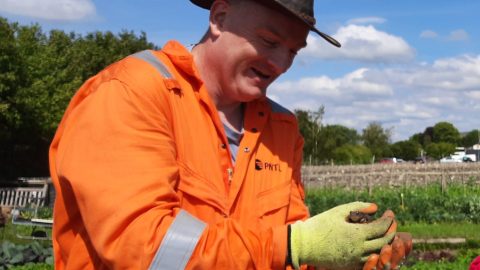
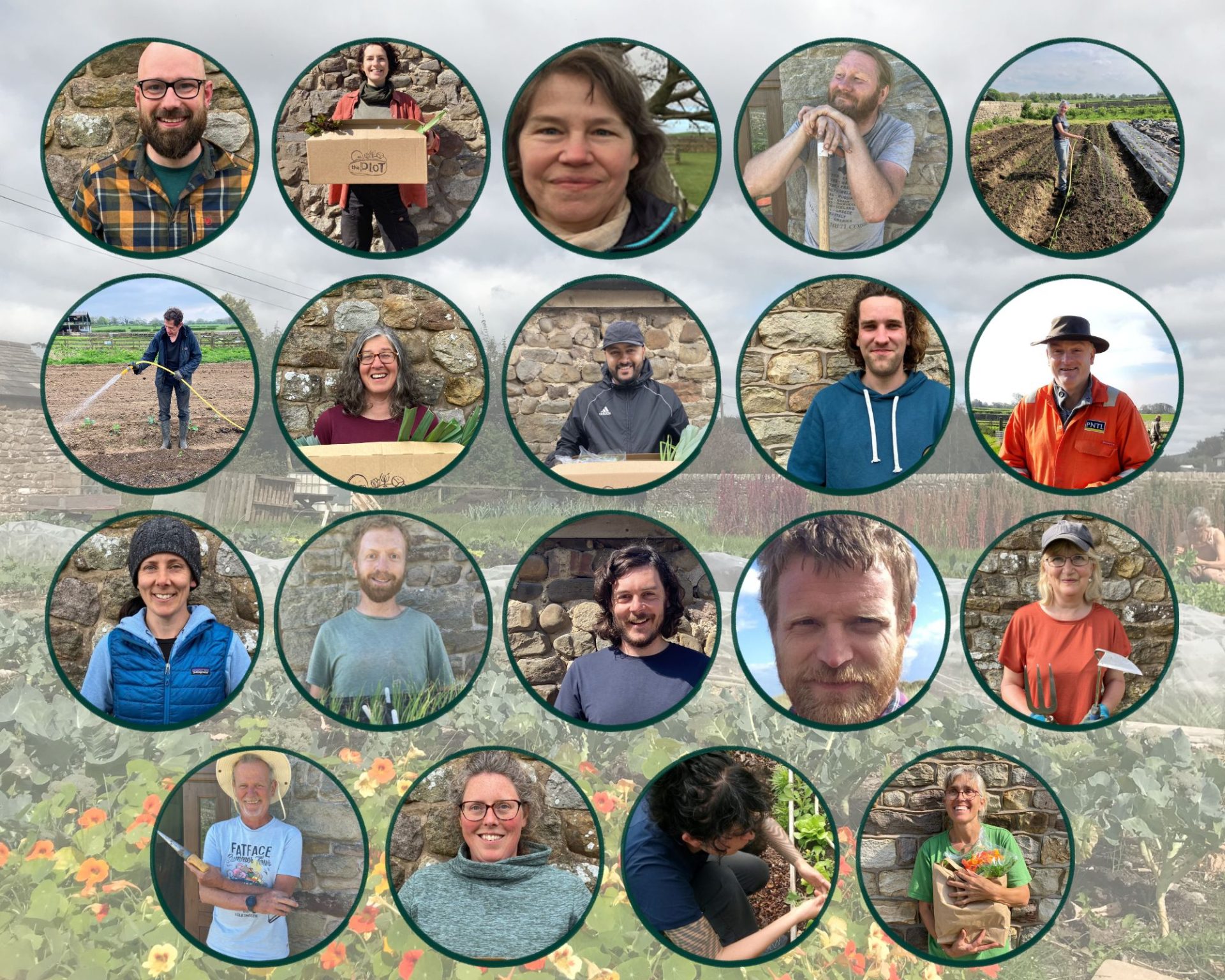
Between 2021-25, nineteen trainees spent a season at the Plot on the FarmStart programme. A recent follow-up survey asked them for their views on their time with us, what impact it had and what they have done since the programme.
Although the training programme was tweaked year on year in response to feedback, all the FarmStarters spent time in the field, working with Tamsin or Dennis, the lead Grower at the Plot, seeing first hand how the crops fared. In addition, there were classroom sessions on horticulture (for example propagation, managing pests and crop-planning) as well as business skills for a small-scale veg growing business (eg pricing, working with wholesalers, community supported agriculture and regenerative economy models). In later years we also linked more to the other food work in the District, including sessions on composting, the politics of agroecology and the work of FoodFutures.
The FarmStarters described their time at the Plot as formative, enjoyable, fun, educational, practical. Some learnt about economics and politics, and some about future career paths/direction. For some, there were also tough times, and feelings of being overwhelmed by the weeds.
‘It was one of the best experiences in my life! Honestly.’
In terms of the impact of the FarmStart programme, the main themes were threefold. The first was inspiration and a sense of community, and a grounding in what it takes to run a market garden in the North of England. The second was a better understanding of the challenges of the finances and the rapidly changing NW climate. And finally, it was, for many, a stepping stone to jobs in horticulture.
‘The impact that farm start program had on me was that I ended up being employed in the horticulture field, so it’s changed the trajectory of my career path’
Of the 19 FarmStarters trained, 12 subsequently worked in horticulture in a social/community or commercial setting. We know from local veg growers that it is hard to find experienced growers in this area in contrast to the South West of England where market gardens, comparatively, abound!. Four FarmStarters were employed back at the Plot in seasonal roles.
Over the five years, we learnt a lot too, and radically changed the programme from the original year. We now have a chance to hone the programme again to ensure we are meeting the future needs of our District, local food economy and other local food growers.
If you have thoughts and views on what the FarmStart programme at Summerhouse Community Farm should look like, feel free to drop us an email: ellen@lessuk.org