FoodFutures Coordinator Anna Clayton reflects on Spring Into Action activities…
Spring Into Action week (April 27 – May 2), saw more than 350 people attend workshops, farm tours, community meals and discussions hosted by the FoodFutures network.
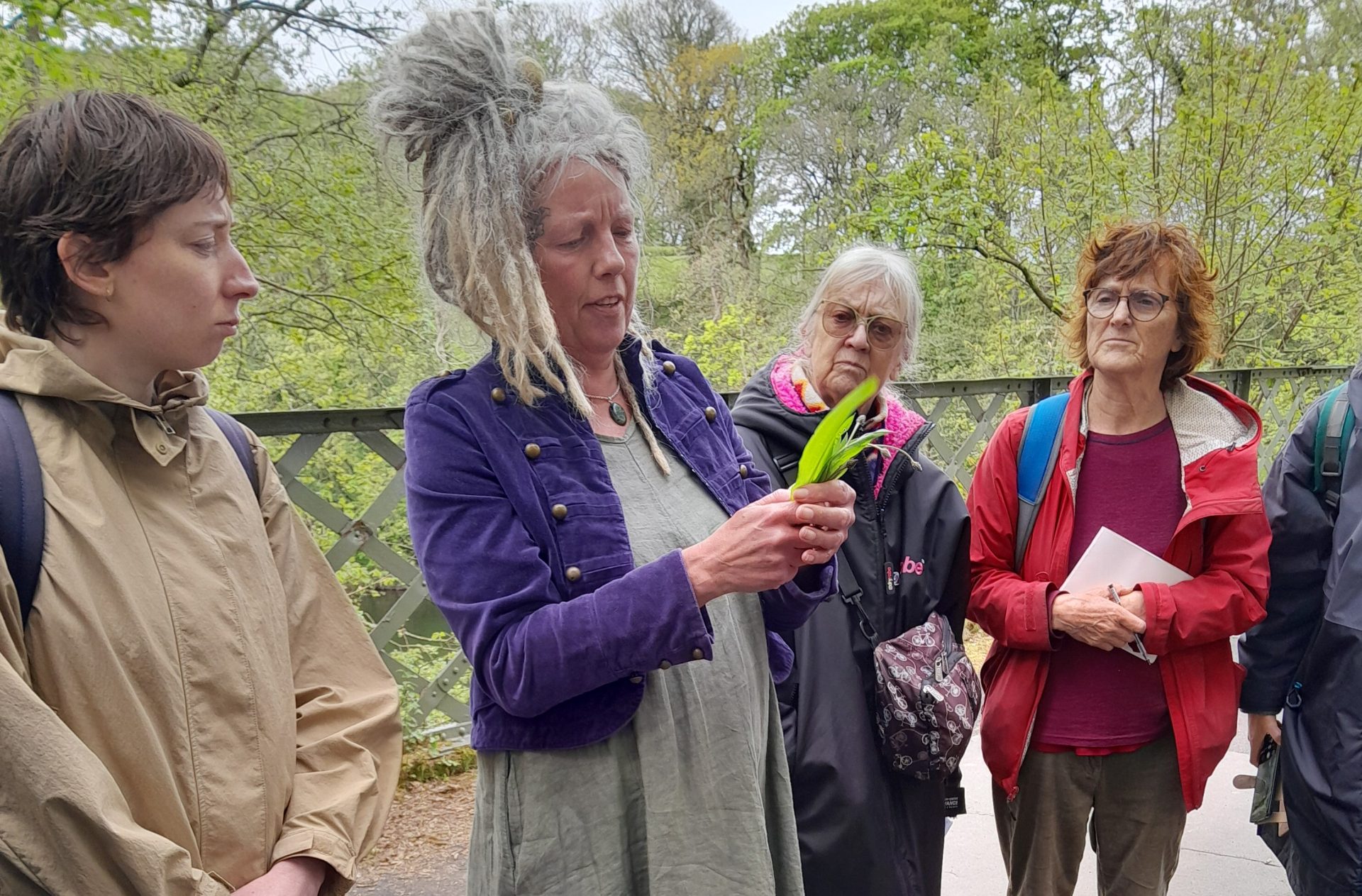
The weather was certainly on our side – at least when sessions were held outside – as attendees got to share their stories of Freemans Wood; forage for nettles; explore Claver Hill community food project, the Plot and Farm on the Fell; learn about wormeries and bokashi composting in the middle of a flower garden.
One attendees feedback captured the enthusiasm of the week: “I have had the most fabulous day.
First thing was a wonderful foraging walk at the Crook O’Lune followed by a workshop making nettle and wild garlic pesto, wild garlic bread and nettle soup.
“Then…learning all about how to sprout seeds, nuts and pulses and use them in some wonderful dishes.
“I feel so much more confident and definitely inspired by my day even though I feel like I’m oozing garlic out of every pore!”
A number of events also enabled important discussions to happen that will shape FoodFutures work going forwards.
Dr Megan Blake explained the thinking behind the food ladders approach to food justice and also highlighted the importance of the ladder’s side rails – anchor institutions and food partnerships – in holding the different steps of the ladder together.
To learn more about the food ladders approach read the Midsummer issue of THRIVE Magazine.
There were workshops exploring the local food movement and an introduction to sociocracy – a system of governance that prioritizes collective decision making and empowers smaller groups.
The week ended with a Recommoning community think tank that also raised much food for thought.
Emma Cardwell said: “We have good examples of commons, both here and abroad, and recommoning is about expanding these, rather than returning us to medieval times, or making something new from scratch.
“When you think about the 50% of land in England and Wales that used to be commons, imagine if half of Lancaster was like Claver Hill, or Freemans Wood, or those eco-friendly, rent controlled, social-houses we now have in Halton.
“I think that’s a really happy vision for a future.
“In fact, I don’t think I can think of a better one, which is why I’ve come to this recommoning workshop today.”
Feedback received during the week will now shape future events, all of which can be explored at foodfutures.org.uk/whats_on/.