In this week’s column, FoodFutures’ communications coordinator Nick Lakin presents his take on the People’s Emergency Briefing…
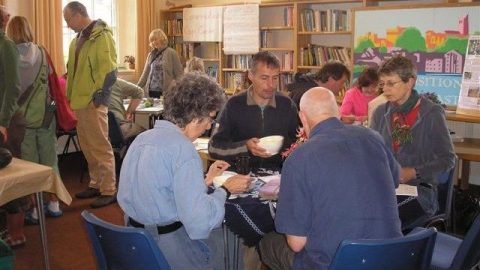
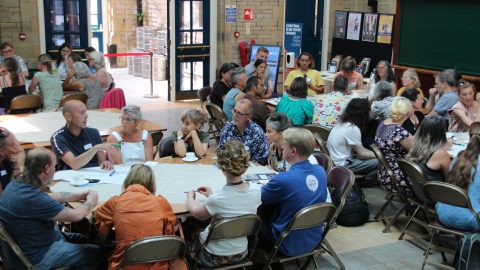
There were several screenings of The People’s Emergency Briefing in the Lancaster district last month.
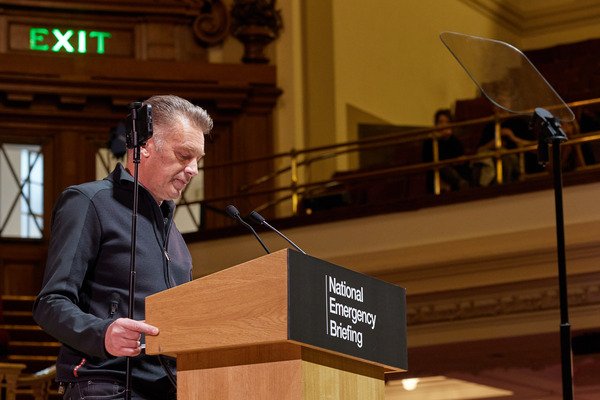
Narrated by Chris Packham, the film drew from a landmark presentation to MPs by experts and scientists bringing together the realities of the climate and nature crisis.
It focussed on 10 key topics – Weather Extremes, Climate, Tipping Points, Food Security, Health, National Security, Nature, Economics and Energy Transition.
Currently it’s 34 Degrees C – in Lancashire – in June.
As a journalist my contact with Lancaster University’s Weather Centre regularly fed back record high temperatures, and record rainfall.
Current estimates predict a 2 Degree rise in global temperatures on pre-industrial levels by the 2030s.
Focussing on food security, University of Oxford Professor Paul Behrens laid out a stark warning about what this means for the UK.
Before climate change we had reliable harvests and we might see cereal harvest failures once every 16 years, but with 2 degrees of warming, this would happen every two years.
Regular crop failures would lead to severe supermarket shortages, hours of queuing for food, protests, and civil unrest.
The impacts aren’t abstract, he said, and they’re already starting to hit home.
The film introduced a fourth generation farmer in Lincolnshire in 2023, who said he was basically ‘farming water’ following severe flooding.
One estimate concluded that about one third of the food inflation we saw in 2023 was driven by extreme weather events.
Prof Behrens also shared the good news – that we already know what to do about it.
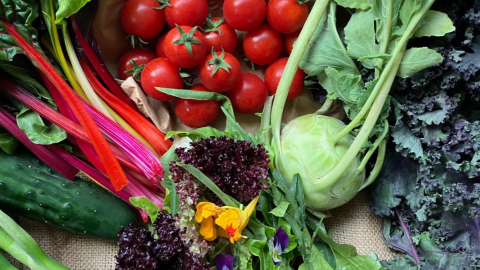
He identified food system transformation based on four main pillars – shifting to plant rich diets, reducing food waste, improving production, and increasing adaptation.
85 per cent of the UK’s agricultural land is dedicated to the livestock industry.
Moving away from this would save an area almost the size of Scotland, which could be used to grow more of the food we need here in the UK.
It would cut over reliance on imports and feed many more people per hectare on a plant rich diet.
This does not mean no meat and dairy, just far less of it.
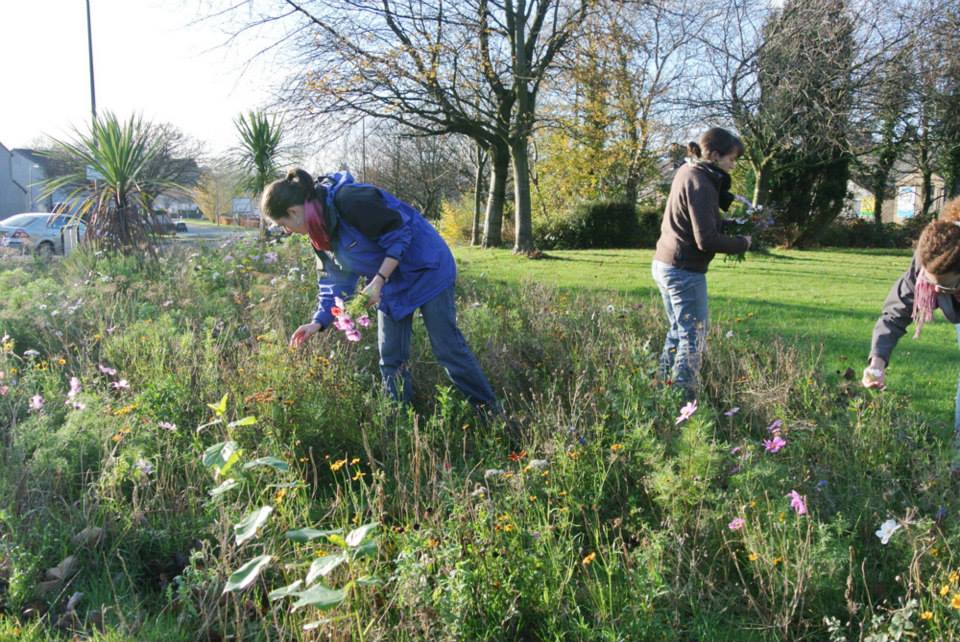
Everyone must watch this film, then lobby their MP, and also, visit www.foodfutures.org.uk to find out how you can help make the big changes needed on a local level.
You can find out about future screenings, or organise one of your own HERE