Written by Jim Bacon
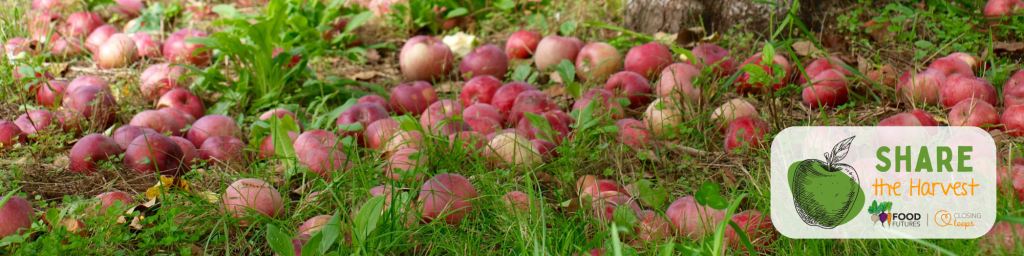
I have one apple tree in my garden and in 2025 it had the most enormous crop. I thinned out the fruit two or three times as summer progressed. This was done partly in order to have fewer but larger fruit, but mainly in the hope of preventing the tree from breaking under the weight of too many apples. I began eating the fruit fresh off the tree in early autumn but, one weekend when high winds were forecast, I decided it was time to collect the remainder in.
I then gave away all I could, and stewed down and froze as much as would fit in the freezer, but I still had nearly my own bodyweight remaining in generally small, scabby, mis-shapen and unlovely looking fruit – the kind that would be left by shoppers if that sort of thing were even allowed in a shop.
I had pressed apples before to extract the juice and this seemed the best option to ensure good food did not go to waste.
A search on the internet put me in touch with Moyna Hargest and the Claver Hill community apple press. We made an appointment a month later, at the end of October, because apparently I was not the only one with an apple glut. This gave me time to collect all the screw-top bottles I could get my hands on. As it turned out, they were still not enough! To preserve my apples, I put them in old recycling crates with newspaper between each layer and kept them outside in a shady spot.
On the day, I drove my apples over and received a lovely, warm welcome. There were volunteers to share the labour, but actually there wasn’t all that much to do. In the past I have had to hand-crank a machine to mince up the apples, and on another occasion, there was an ingenious bicycle powered device.
By contrast, Moyna has an electric scratter which, while noisy, processed the apples as fast as we could pour them in the hopper. The pressing also didn’t take much effort. Where previously I have used a small press where you turn a huge screw with all your strength to squeeze out the juice batch after batch, the Claver Hill press can swallow 50kg of apples in one load and uses mains water pressure to extract the juice at the turn of a tap. It’s a wonderful system.
Something like 32 litres of juice came gushing out, and I gave most of it away to anyone I saw in the next day or two. The solid matter left behind in the press was destined for horse feed.
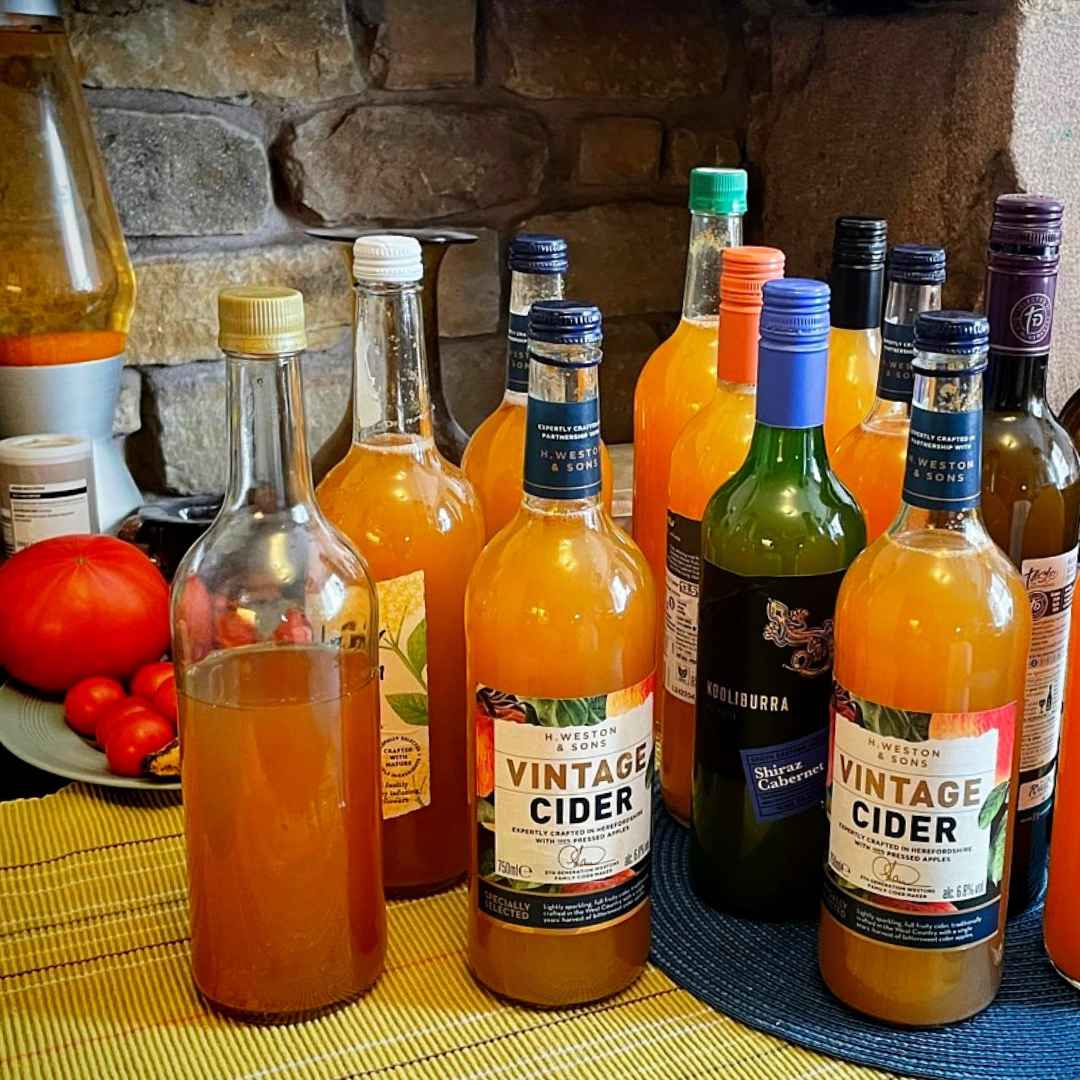
When I ran out of bottles and there was still juice left over, Moyna had another option for me. In exchange for a donation to Claver Hill, I received a demijohn, cork and one of those U-shaped bubble chambers which lets gas out but not in. I just happened to get lucky that she had a spare one that day. For nine months now, it has sat on a shelf and today I decanted it into bottles. Nothing but fresh juice went in, and now cider has come out!
The whole process has been a delight and a revelation. This year my tree seems to be having a rest, but if you have surplus apples I can totally recommend this as a way to turn waste into something delicious.
If you have an apple glut this year, sign up for a free juicing session with the Claver Hill community apple press and find out about more ways to join in with Share the Harvest festival at foodfutures.org.uk/share-the-harvest
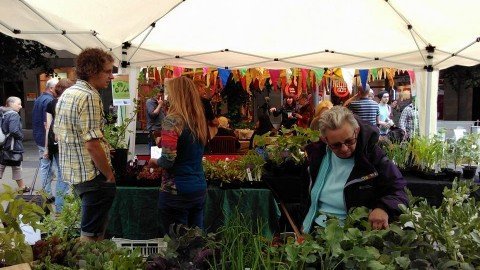
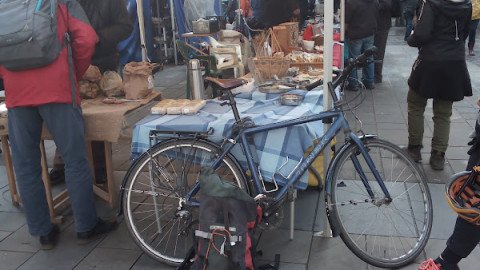
And visit the Harvest Market on 11 September to buy apple juice, cider, and a variety of jams and chutneys at the Claver Hill stall.
Share the Harvest is coordinated by LESS and Eggcup through the Closing Loops project as part of the FoodFutures network.