Written by Deborah Simmonds, Allotment Coordinator at LESS, after attending a biofertiliser workshop taught by Matt Dunwell
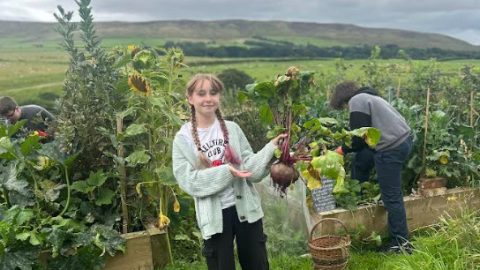
I think of myself as an “organic gardener” and – although I’m certainly not the best veg grower in the world – I love my half allotment plot and the delight of growing some of our own fresh produce.
For years I have been making my own compost and adding it to my veg/fruit beds, applying my basic knowledge of how to “improve my soil” by focusing on the balance of the sand/clay and loam particles and avoiding squeezing out the air pockets by not standing on my beds.
Over the past ten years or so I have also become aware of the “life in the soil” – the many living things such as bacteria, fungal networks and other soil organisms that the eye cannot see but that are vital for soil health.
And it is only in the past couple of years that I learned about how plants actually get the nutrients they need from the soil, by teaming up with and using soil organisms. This happens particularly around the tiny root hairs, where plants give out sugars in return for mineral nutrients.
I have been totally bowled over to learn about how, as a veg gardener, I can help my plants even more by giving them the optimal conditions for photosynthesis (making sugars), growth and even protecting themselves from pests and diseases.
This summer, I went on a two-day “Biofertiliser and Anaerobic Ferments” workshop at Summerhouse Community Farm. It was taught by Matt Dunwell, and organised by the Closing Loops project.
The workshop was a combination of manageable soil science and lots of fascinating and relatively easy activities that I can do using natural soil microbes. My personal highlights that I’ve already tried since include:
- Coating my seeds in biofertiliser to help them germinate
- Spraying the underside leaves of my plants to help them absorb nutrients
- Drenching the soil to help plant roots access nutrients
- Adding liquid ferments to my compost to help it break down
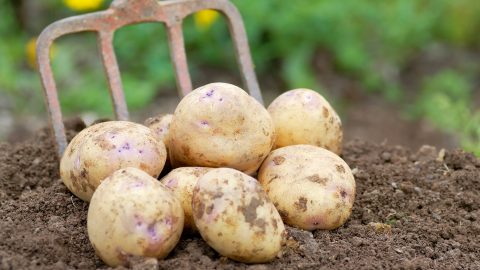
I haven’t tried the recipe for “helping seedlings with transplant shock” yet, but it involves a cooked potato and sounded fascinating!
And the results? Well, I think it works! Although the warm weather may also have contributed, my seeds have germinated extremely quickly, and my seedlings look strong, healthy and lush. It’s too early to comment on the long-term effect on my soil and compost, but I’m fired up to continue.
What am I hoping for? A soil packed with “life”, seedlings that grow strongly, plants that are given the best conditions to help them grow healthily and compost that is readily broken down and absorbed on my vegetable beds.
There’s tonnes more to learn about this subject and I’m still an enthusiastic novice, but I’m excited to go deeper.


Interested to find out more about community composting in North Lancashire? Visit foodfutures.org.uk/composting or drop an email to compost@lessuk.org. For more info about allotments, read the Lancaster District Allotment Review online, or contact Deborah on deborah-allotments@lessuk.org.
Closing Loops is a collaborative project and part of the FoodFutures network. The work on composting and community composting at Closing Loops is held by LESS.