Diana McIntyre goes through the benefits of an Asian method of composting that’s growing in popularity…
Imagine being able to compost all your kitchen scraps – even cooked food. Bokashi makes this possible, turning everyday waste into a resource for your soil while reducing what goes into council food bins.
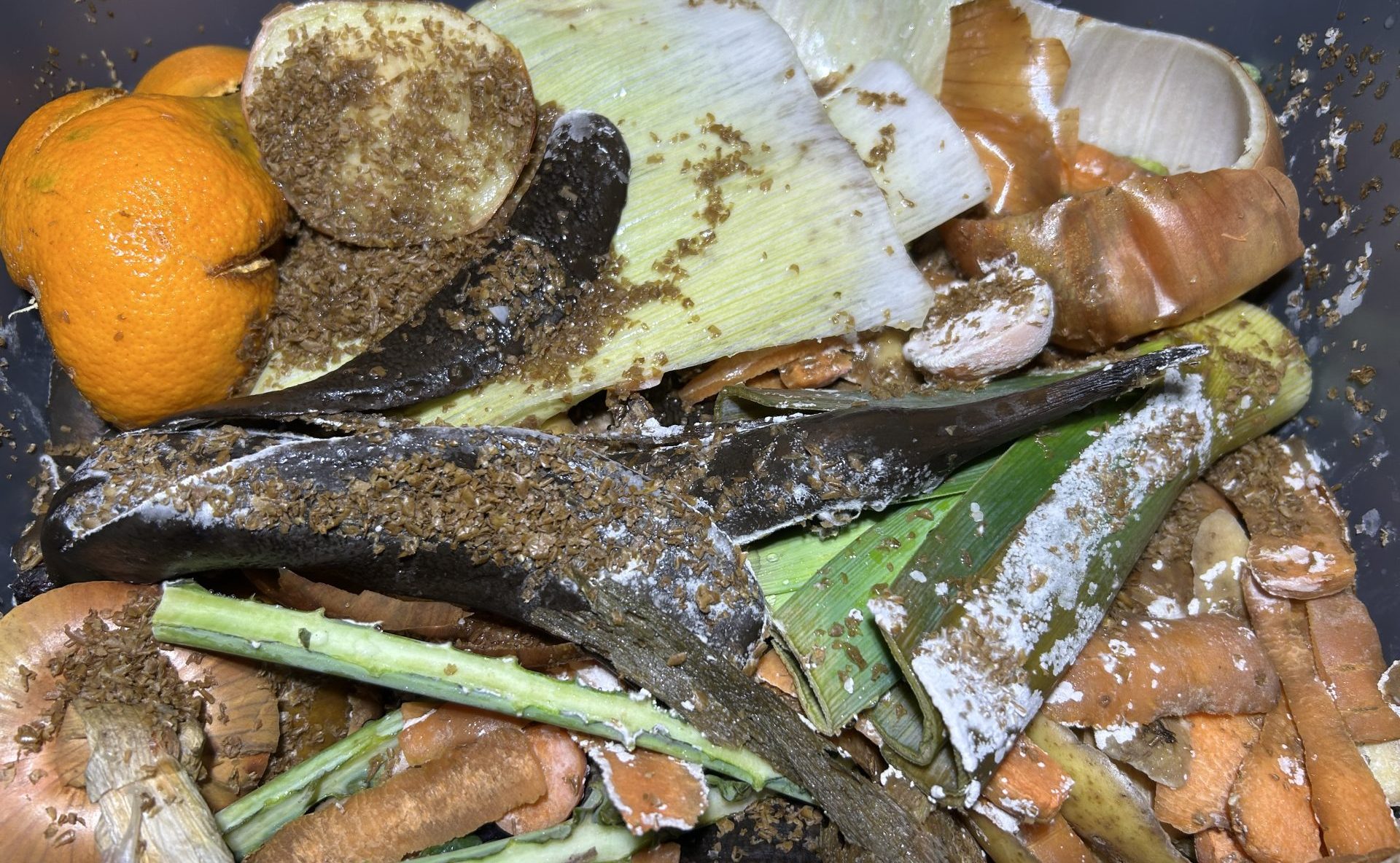
‘Bokashi’ is a Japanese term meaning ‘well-fermented organic matter’. The technique it describes, however, originated in Korea, with roots in Korean Natural Farming – a pre-composting method where food waste is fermented rather than rotted. Unlike traditional composting, which is aerobic (using oxygen) and produces heat, bokashi is an anaerobic (low-oxygen), cold process.
Food scraps are layered in an airtight container with bokashi bran – a material inoculated with beneficial microbes. Over two to four weeks, the waste ferments, becoming ‘pre-digested’ Once added to soil or a compost heap, it breaks down very quickly.
The benefits are immediate. Bokashi allows you to compost a much wider range of materials, including cooked food, meat, and dairy. It produces a nutrient-rich liquid that can be diluted and used as plant feed. It also helps reduce smells and pests, since the process is sealed and controlled.
One of the biggest challenges with composting food waste is managing pathogens and odours. Traditional composting relies on high temperatures to sanitise waste, which requires careful balancing of materials, moisture, air and regular turning. If conditions aren’t right, food waste can rot, smell, or attract pests.
Bokashi works differently. The fermentation process creates an acidic, low-oxygen environment that suppresses harmful microbes, including many pathogens and methane-producing organisms. Beneficial microbes dominate, preventing the kind of decomposition that leads to foul smells and significantly reducinges greenhouse gas emissions.
When the fermented material is later added to soil or compost, the acidity quickly neutralises. Soil microbes take over, breaking it down further and integrating it into a healthy, living system. The result is faster composting and a richer microbial ecosystem.
Using bokashi is simple and fits easily into daily routines. Food waste is best chopped ( but can be left whole), placed in an airtight bin, pressed down to remove air, and sprinkledsprinkle with bokashi bran. Each layer is compacted. And sprinkled with bran.
Once the bin is full, it is left closed for a couple of weeks to ferment. A white, fluffy mould is a good sign that the process is working well; unpleasant smells or dark mould indicate that air has entered.
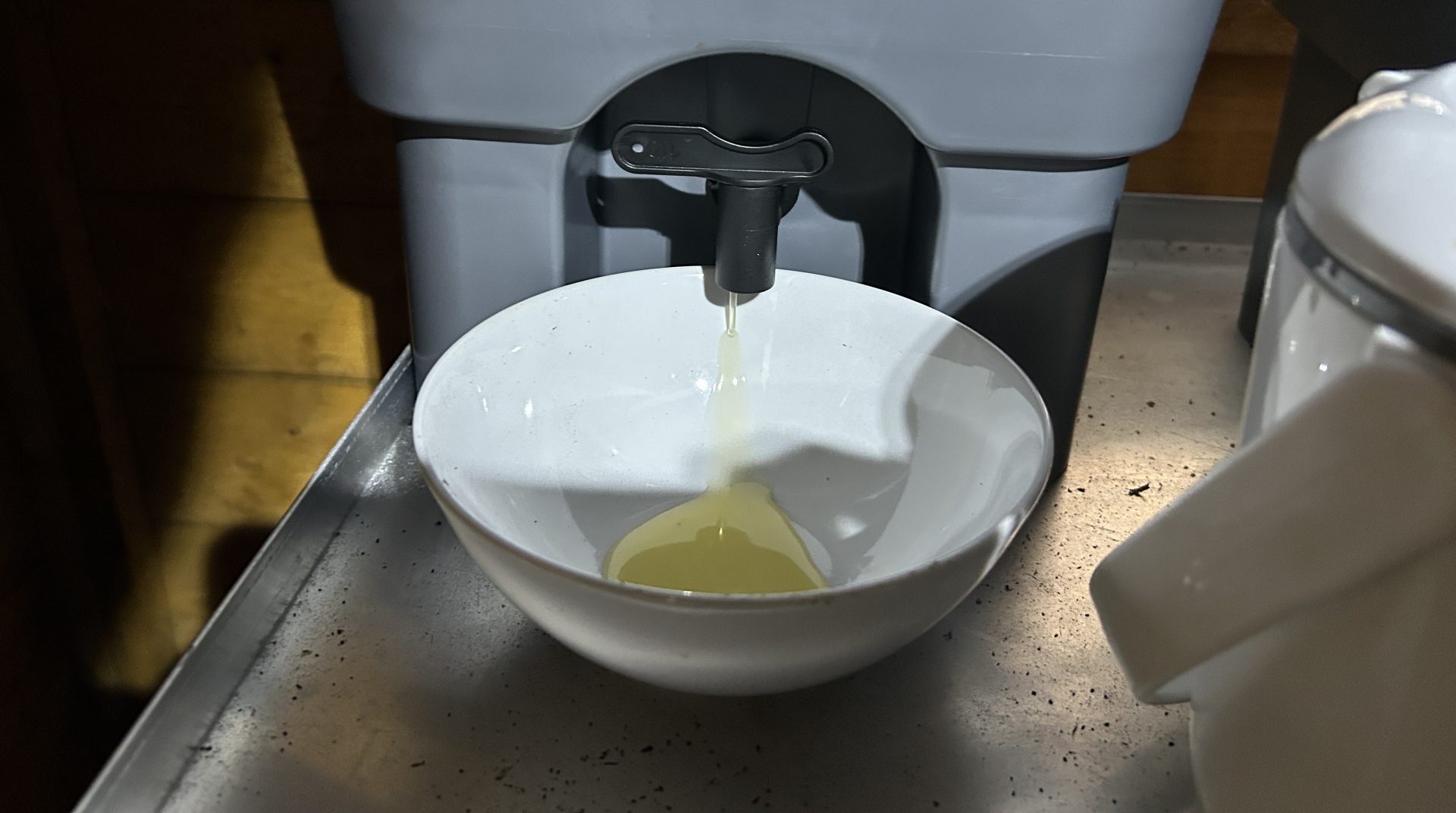
Bokashi systems (including DIY) include a tap to drain off liquid produced during fermentation. This ‘bokashi tea’ can be diluted (1:100) and used to feed plants and clean drains.
The pickled food waste can be buried in a growing area or added to the centre of a compost pile. The fermented food waste is a tasty treat for worms as they convert it into compost. While fermented bokashi is less attractive to pests than raw food waste, it is best practice to bury it or use a contained compost system – particularly in urban or allotment settings.
For new users, bokashi often feels both intuitive and surprising. Choon Key, who discovered the method at a composting workshop, was immediately intrigued:
“The whole idea instantly grabbed me. Fermenting kitchen waste before chucking it onto a compost heap? That just sounded clever. I ended up buying a kit.”
The results were encouraging: “The compost was nicely broken down – not too wet, not too dry…it’s now good enough that I can actually use it, which feels incredibly satisfying.”