
The Closing Loops project is building a composting network for North Lancashire to encourage community composting as an accessible way for everyone to get into composting, and to spread composting awareness, skills and knowledge in the community.
If you are interested in transforming food and garden waste into a valuable resource, stop spending money on compost and stop food waste going into landfill, then composting is for you.
Scroll down to find out about ways you can get involved, for example by hosting or attending a workshop, sharing your skills as a Composting Champion or starting a new composting demonstration site. Or get in touch with Diana, Community Composting Coordinator at the Closing Loops project, with your questions.
In this video, Kathy from Claver Hill Community Food Growing Project in Lancaster explains the role that compost played in the magical transformation of bare land to an abundant garden. She also talks us through the various composting methods that are used at Claver Hill.
Start a community composting initiative
Could your campus, company or neighbourhood compost together, as a community? Find out how you can make it happen in this How To Guide, read up on the Scotch Quarry Park example below or get in touch if you have a question.

Build a compost box
Follow our instructions to building you own rat-proof composting box like the ones you may have seen in local community composting demo sites.

Become a Compost Champion
Are you a keen composter, enthusiastic about sharing your composting knowledge, with time to volunteer? The North Lancashire Composting Network is keen to build a network of local Compost Champions and this could be you!

Host a composting workshop
Are you keen to bring community composting to your community or neighbourhood? We offer training to community groups who want to set up or develop their composting across Lancaster District.
Read up about a composting workshop held in Warton in this blog post.

COMMUNITY COMPOSTING DEMONSTRATION SITES
The following community composting sites across North Lancashire have been launched or supported to various degrees by the Closing Loops project.

Scotch Quarry Urban Park
The fruity corners project in Lancaster’s Scotch Quarry Urban Park is community composting demonstration site in Lancaster. Read up about the progress at the progress of the group in this blog post. Visit the site (wheel chair accessible) or join an event

The Plot
The Plot grows local, seasonal organic vegetables and trains and supports new growers who want to produce local food. Find out more or check the FoodFutures events calendar for occasional farm tours.

Claver Hill Community Food Growing Project
Claver Hill on the ridge in Lancaster is one several community composting demonstration sites. You can visit the site anytime or find out about tours and events on the FoodFutures events calendar.

Ryelands School
Ryelands School in Lancaster is taking part in the Where The Wildings Are schools project and has established a school compost. Where The Wildings Are! is a programme that turns schools into hubs that reverse climate change, biodiversity loss and food insecurity.

Fairfield Allotments
An insulated composting area for dealing with perennial weeds which would otherwise have been dealt with off site. This keeps nutrients circulating on the allotment site and shows different compost techniques.

Brookhouse / Caton
Residents in Brookhouse / Caton have launched a community membership composting scheme similar to that at Scotch Quarry Park. After initial community engagement activities a site was identified and members can now join.

The Storey Gardens
* IN PROGRESS* A demo site that will highlight how office tentants, an on site cafe and volunteer gardeners can circulate resources together. The gardens are open to visit Mondays to Saturdays from 9am to 5pm.

Friends of Long Marsh Lane
A community membership composting scheme sited between a long standing neighbourhood and new housing development. Compost will feed into the local community growing sites.

Uggle Lane
A new community membership compost scheme managed by local compost monitors. Join neighbours to compost raw kitchen scraps and create rich, living soil together.
Community Composting Resources
Scroll down for resources for schools.

Business food waste feasibility study
Could business food waste in North Lancashire be collected and composted in a closed loop system?

Community composting info leaflet
Lots of useful info and links to further reading for community composters as well as anyone interested in upping their composting game. Compiled by Closing Loops.
Workshop notes
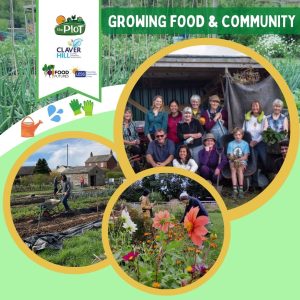
from the community composting workshop as part of the FoodFutures “Growing Food and Community” training in October 2022. See here for many other useful resources from the workshop series.

Wormeries and bokashi handout
from a Closing Loops workshop on wormeries and bokashi as a safe and effective way of composting unavoidable food waste.


Soil improver recipe
How to make bokashi (ferment) soil improver from fruit pulp. By Closing Loops.

What’s in your compost bag?
Leaflet on choosing the most sustainable peat-free compost to buy. By Closing Loops and Peat’s Sake.


Kew Gardens: How to make your own compost mixes for seed, potting on and containers.
Advice from Garden Organic on how to compost.
Carry On Composting: This site by Master Composter Rod Western has a wealth of information on how to compost for those who want to dig a bit deeper. Search the list at the top to find a topic.
How to avoid rodents in community composting. By the Institute for Self Reliance in the USA.
Information and advice on community composting from Brighton and Hove Food Partnership who have been doing community composting for over ten years.
Devon Community Composting Network has more useful information.
Compost Works in Liverpool sets up community composting schemes.
UK-wide Facebook group “Composting in the Community Network” for those involved in composting in the community.
Peat’s Sake Campaign run by Garden Organic to raise awareness of how digging out peat for garden compost is an act of environmental vandalism.
Teabags Without Plastic in the UK in 2026 by Moral Fibres. Ditch the microplastics and find out which teabag brands are made without plastic.

Infographic from the Institute for Local Self-Reliance (www.ilsr.org), a national nonprofit organization working to strengthen local economies, and redirect discarded materials into local recycling, composting, and reuse enterprises. It is shared here with permission.
Composting Resources for Schools
CONTACT
To find out more about the North Lancashire Composting Network, how to get involved and how to become a Composting Champion, please get in touch with the Closing Loops Community Composting Coordinator Diana.
ABOUT CLOSING LOOPS
Closing Loops is a collaborative project created to stimulate a thriving local economy in North Lancashire. You can find out more about Closing Loops and the team members on the Closing Loops project page.
FUNDING AND PARTNERS
Closing Loops is a FoodFutures project launched in 2022 and funded by the National Lottery Climate Action Fund. It brings together six key local organisations (LESS, Lancaster District CVS, Eggcup, Global Link, Shared Future and Scientists For Global Responsibility) in order to take forward big chunks of ‘Our Food Futures: a community food strategy for North Lancashire’.


